
Rosie’s Story
Shared by Rosie's Mother — March 30, 2026
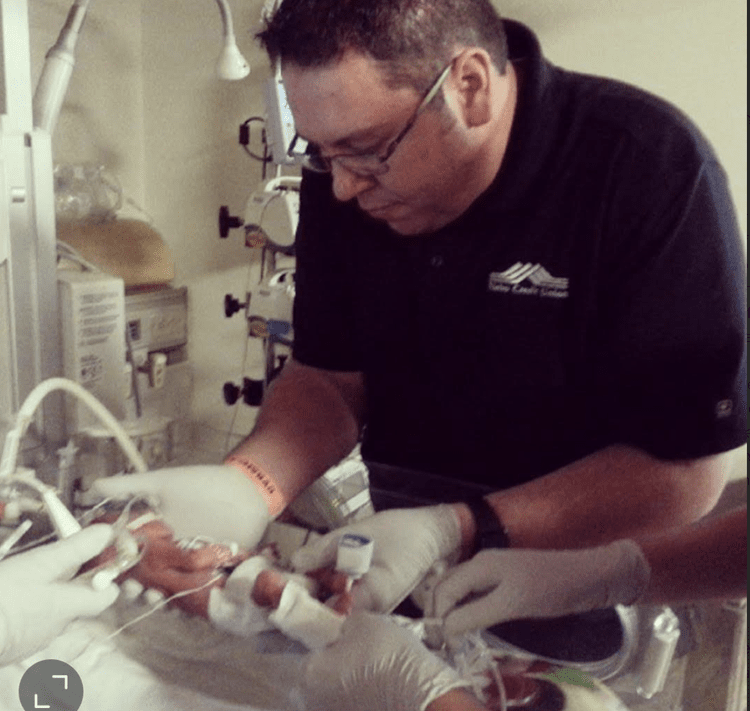
Our daughter was born via C-section at 23 weeks gestational age, weighing 540 grams (roughly 1 lb. 4 oz.). She suffered a traumatic brain injury. Her Apgar scores at birth were all 0. They did five minutes of chest compressions to revive her. She was given around a 40% chance of survival and less than a 20% chance of having any quality of life (walking, talking, eating independently, speaking).
Doctors explained to me that she would likely be blind, wheelchair-bound, in diapers, nonverbal, and tube-fed, with a high chance of having seizure disorders and needing a tracheotomy to breathe. She was intubated and medically paralyzed on and off for her first 100 days of life.
By some miracle, she survived. She was discharged from the NICU at six months old with a feeding tube, an oxygen cannula, and a prescription for OT and early intervention.
For her first three years of life, we had Kids on the Move come to our house for weekly or monthly appointments to teach her how to roll over, sit up, and eventually crawl.
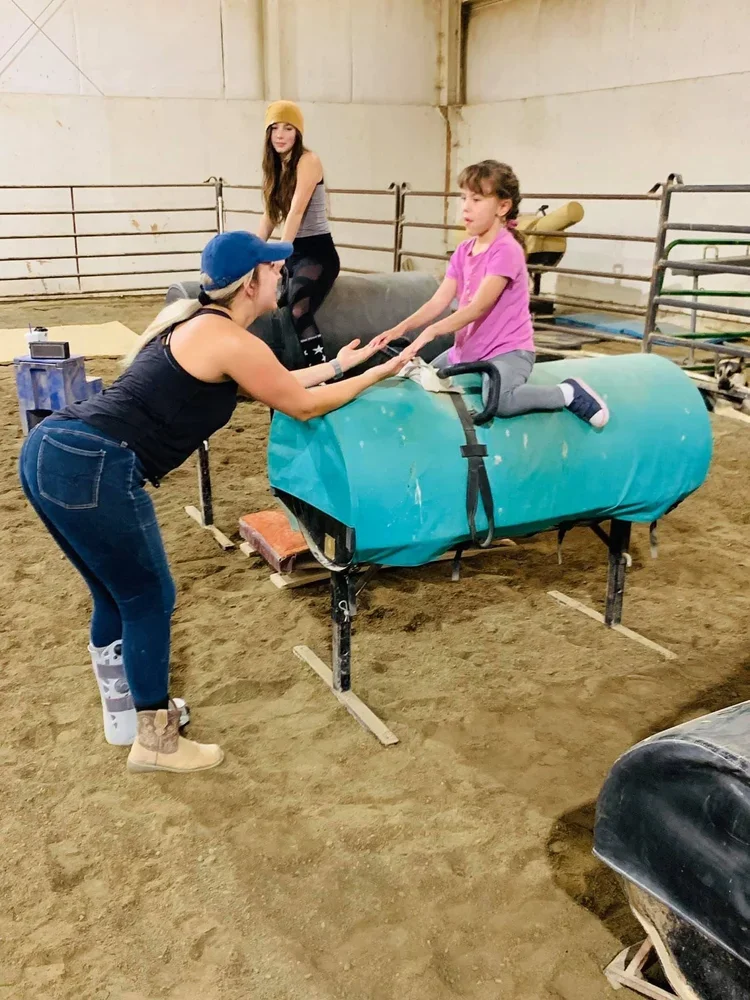
By age 2½, she was still nonverbal and non-ambulatory. She had plateaued with therapy and had started having some major tantrums every time therapists would come to our house. It got so bad that we couldn't even have social visitors because she would carry on so loudly and violently whenever anyone came to the door that it was impossible to really have a conversation.
We tried inpatient treatment at Orem Rehab for a year, but that was even less successful due to her long, complex medical history and the SEVERE trauma she had developed around anything that felt like a clinical intervention.
Around that time, she received an autism diagnosis, and we were told that the odds of a nearly four-year-old nonverbal autistic child ever learning to speak were quite slim. We were encouraged to seek speech therapy and get her an adaptive speaking device (tablet).
She could utter single words—mostly just labeling—and had a vocabulary of maybe 40 or 50 words, but no functional communication. To make a request, she would point and babble or whine. We started ABA at that time and looked into alternatives to her other therapies. That's when we found equine-assisted therapy.
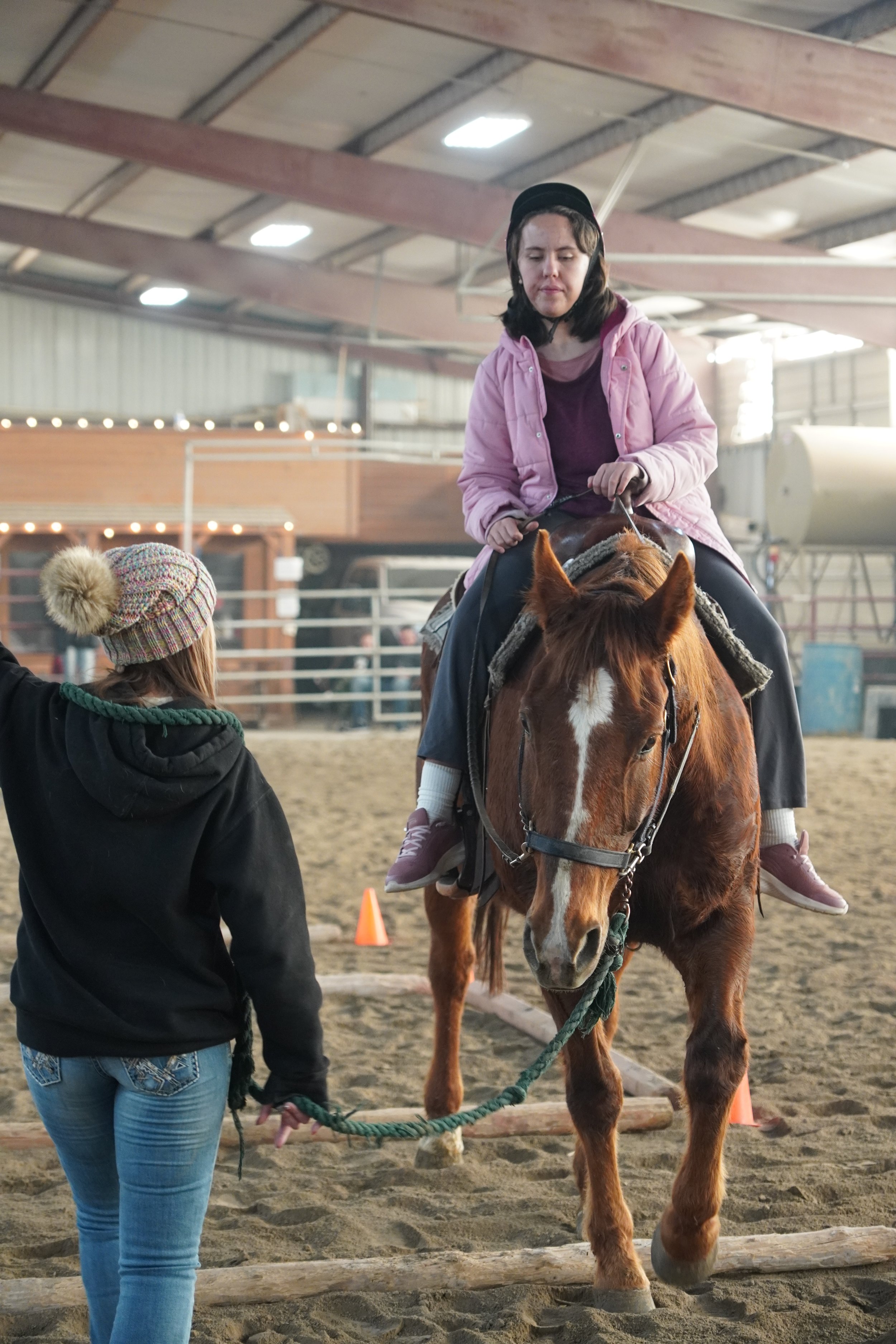
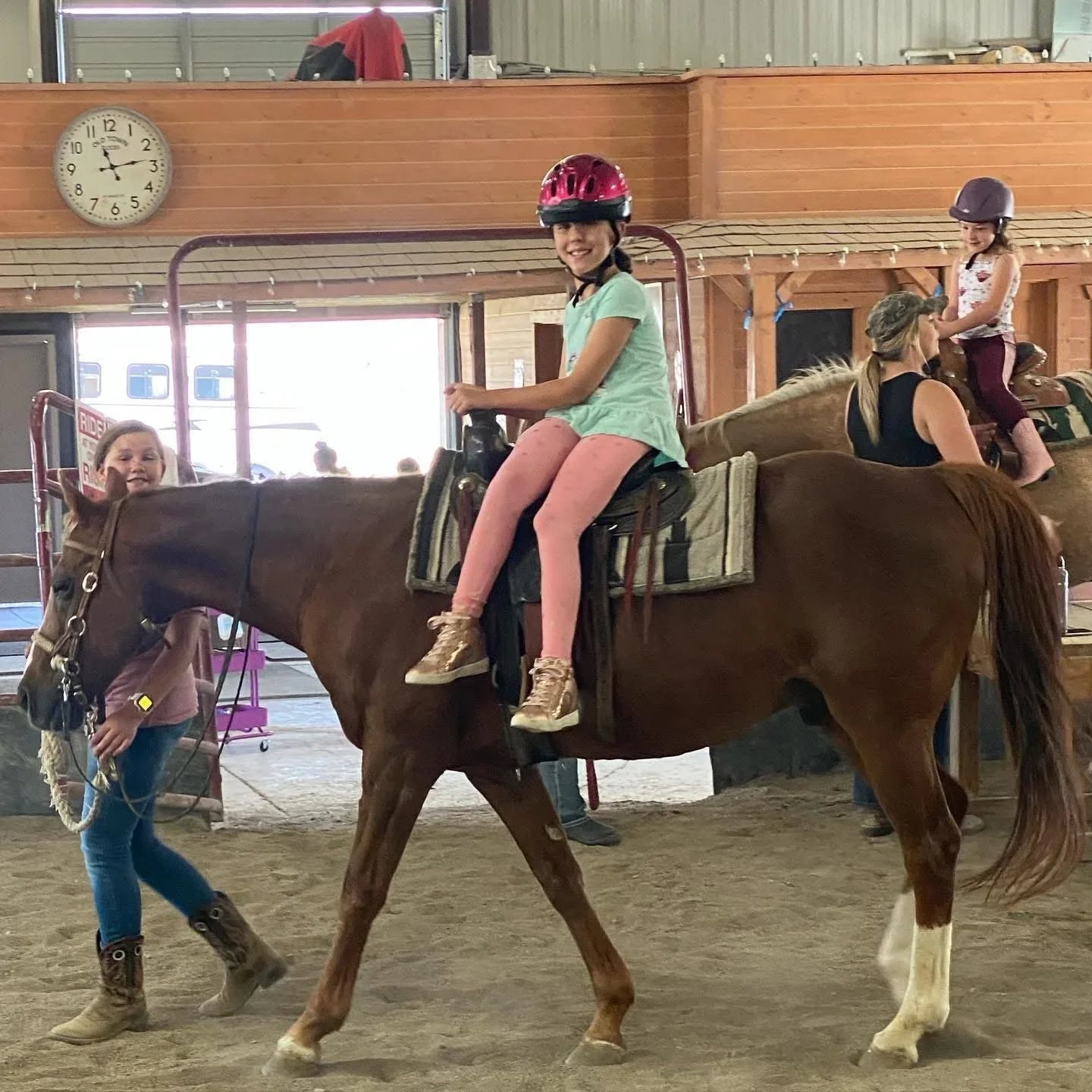
Our first equine experience was with Hoofbeats for Healing. They didn't have any sort of therapeutic programming—they just stuck her on a horse, and she and I walked around in a circle for an hour. She cried for the first 45 minutes, and then something clicked, and she just sat there serene, unafraid, for the last 15 minutes. You could see the trauma just evaporate out of her.
As I strapped her into her car seat, she was smiling. As I backed out of the parking lot, I heard a little voice from my back seat quietly say, "That was fun. We should do it again." The rest, as they say, is history.
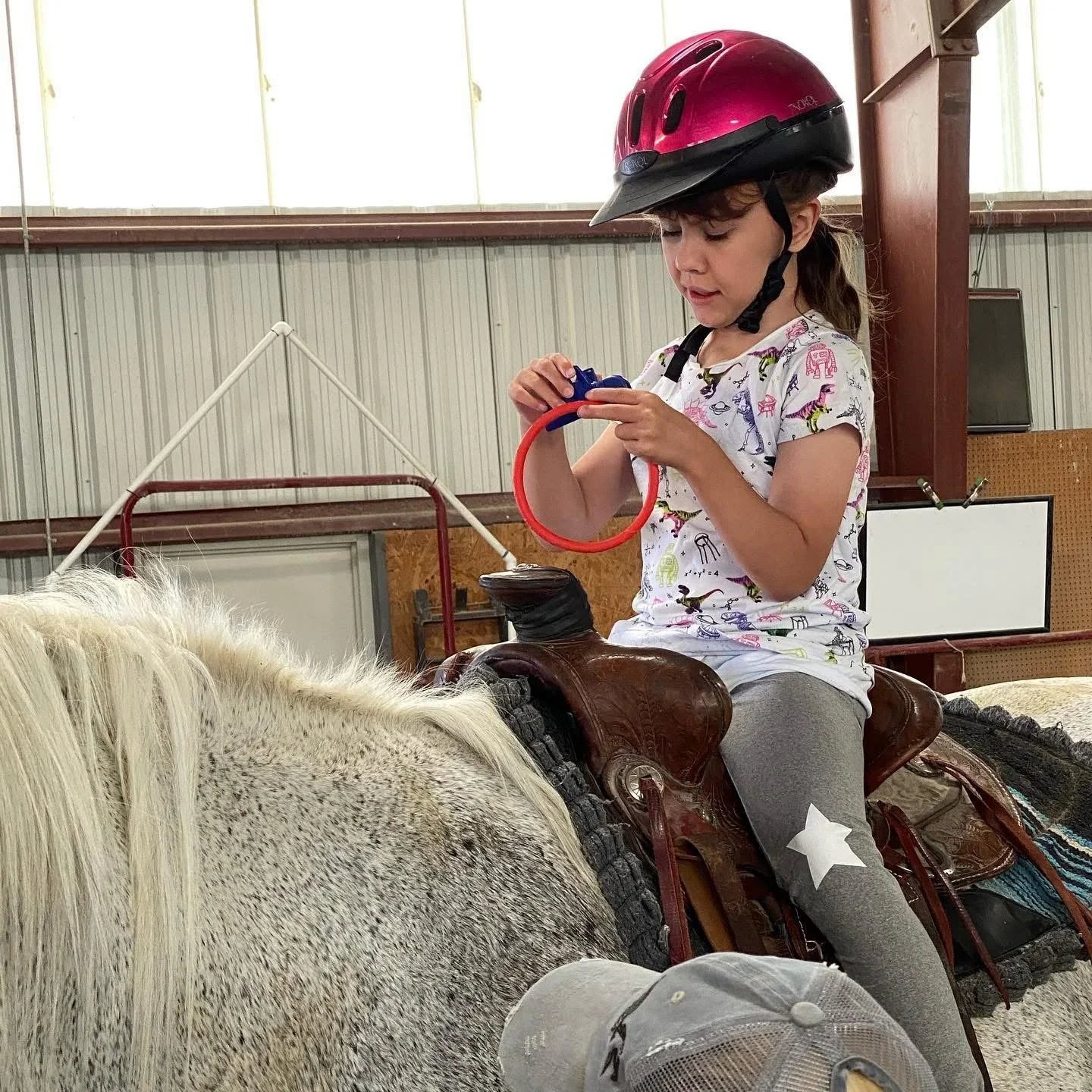
We joined Angels Landing a few months later as I started my M.Ed. degree in Autism Education and needed to adjust my work schedule and Rosie's therapy schedules to accommodate my schoolwork.
What stood out to me from the beginning about Angels Landing is that Angela and her team go out of their way to adapt their interventions to the needs of their patients.
When Rosie was younger and had some severe speech, communication, and fine motor needs, they tailored her therapy sessions to include talking and fine motor tasks. Simple things like doing puzzles, throwing a ball through a hoop, or requesting the preferred color of flower to place in a vase made a big difference for her.
We used to joke around that if we needed her to learn something new, we had to have her do it on a horse first. Joking aside, however, the combination of sensory input, vestibular activation, cross-hemispherical motor drills, and gross motor/balance skills required to navigate therapy on a horse has really made a difference for her.
A great example of this is how, when we started, she needed three assistants—one to guide the horse and one on either side of her to hold her on it. Years of immobility had rendered her core so weak she couldn't sit up unassisted for very long, despite having been in traditional therapy since birth.
It was working on the horse that developed those muscles for her, allowing her to learn how to walk unassisted, run, and eventually jump and climb.
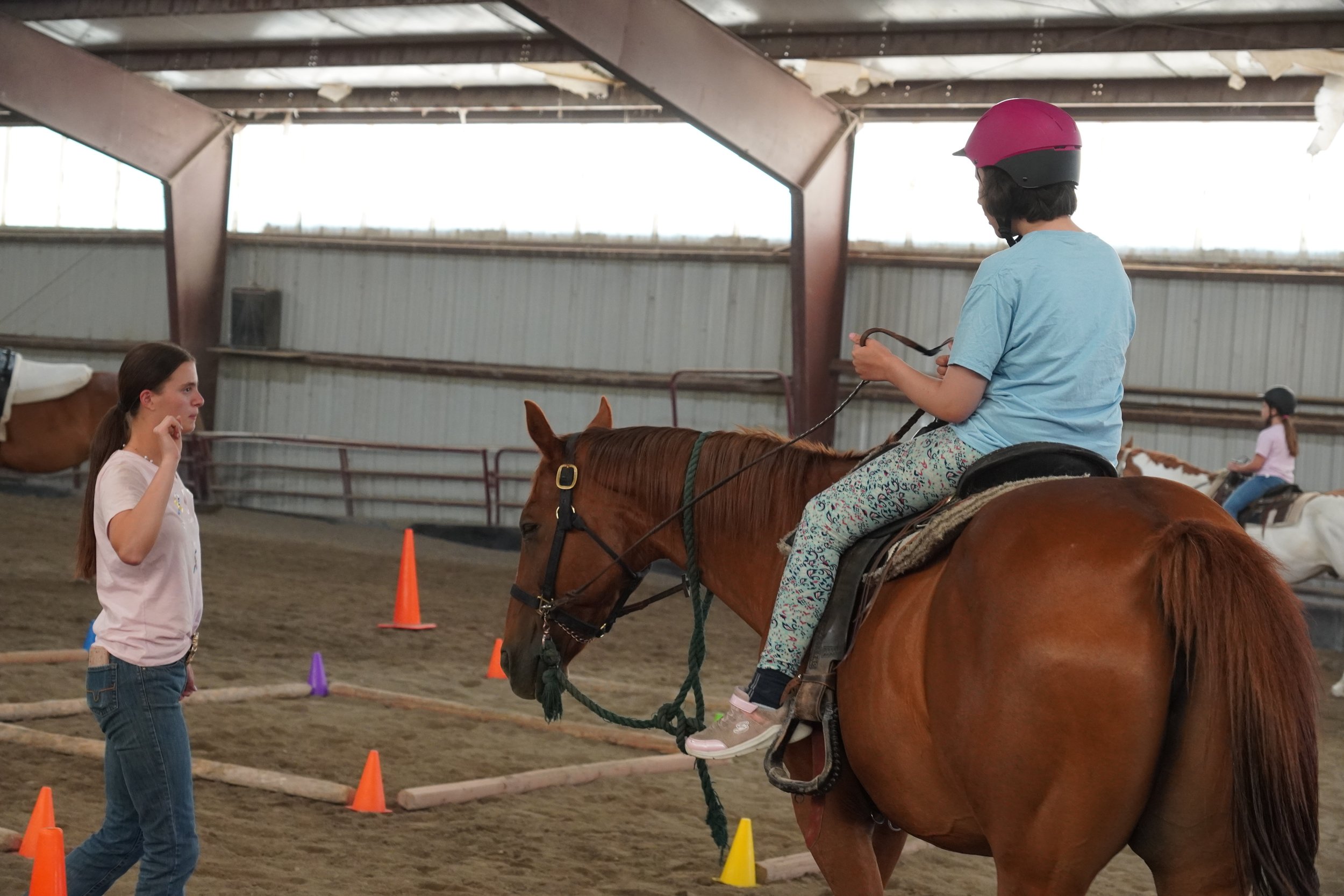
After a year, we canceled all her other therapies and just focused on equine therapy and supplemental behavior therapy at home (since I had been trained as a BCBA at that point).
Within two years, she had moved up to the regular class at her Montessori and was reading and writing. By the time she was seven or eight, she was functioning well enough that we pulled her out of her special classes and put her in a mainstream educational program.
She still has learning delays. She still struggles socially, and her speech is still affected by her disability, but she has blown all of her prognoses away.
She speaks, reads, writes, can do math, can do most of the other physical activities her peers can, prepares some of her own meals, handles all of her own hygiene, and is on track to lead a fairly independent life.
I credit her equine therapy with giving her the gift of confidence, communication, and filling critical therapeutic needs early on, such as OT, Speech, and PT, that we simply could not fill in a traditional setting.
Something about the connection between these marvelous animals and their riders connects the experience in ways that clients won't access doing play therapy or sitting in a clinician's office practicing motor skills.